
Same hardware, quotes run $12K to $22K installed
Get the EP Cube 2.0 quote checked before you sign.
Send the total price, battery count, panel work, and incentives. We benchmark it against what buyers actually pay and flag what to push back on.
- ✓ Free
- ✓ No sales pitch
- ✓ Reply in ~2 days
Product Range
Our EP Cube 2.0 Verdict
EP Cube is not as searched as Tesla or Enphase, but it belongs in the directory because challenger brands often appear in quotes where buyers need reassurance. The content angle is simple: explain modular capacity, output, installer support, and whether the lower-friction pitch hides extra work.
EP Cube sells through an installer network, so there is no public sticker price and every number depends on your quote. The one citable installed figure is SolarReviews' estimate of about $14,200 total installed for a 16.6 kWh original EP Cube system, roughly $855 per kWh installed, with equipment alone around $690 per kWh. That estimate covers the original EP Cube, not the 2.0 hardware, and we found no citable installed range for EP Cube 2.0 yet, so we leave the top end null rather than guess. For context, one third-party equipment seller lists a 2.0 package (15 kWh battery plus the 11.5 kW hybrid inverter, 14.9 kWh usable) at $18,600 before any installation, which tells you channel pricing varies a lot. Treat any EP Cube 2.0 quote as negotiable and compute your own per-kWh figure from the line items. If the quote lands well above $1,000 per usable kWh installed, ask why, because that is Powerwall territory without Powerwall's service network.
solarreviews.com · Verified July 2026
Specs Snapshot
From official datasheets and product pages, verified Jul 12, 2026. Confirm the datasheet revision on your quote matches these numbers before you sign.
- Usable capacity
- 5 kWh module increments; standard tower configs of 5 / 10 / 15 / 20 kWh
- Capacity range
- 5-40 kWh per unit; up to 120 kWh with three units in parallel
- Continuous power
- 3 kW / 8 kW / 11.5 kW depending on configuration; 11.5 kW at full tower, 185A LRA motor start
- Peak power
- Up to 34.5 kW combined with three units in parallel
- Chemistry
- LFP (lithium iron phosphate)
- Coupling
- AC and DC coupling supported; 6 MPPTs, up to 24 kW PV input
- Scalability
- Up to three units in parallel
- Warranty
- 10 years per EP Cube 2.0 US page; original EP Cube documented at 80% capacity at 10 years or 6,000 cycles
From EP Cube 2.0
Official product imagery and links, with the source page for every image.
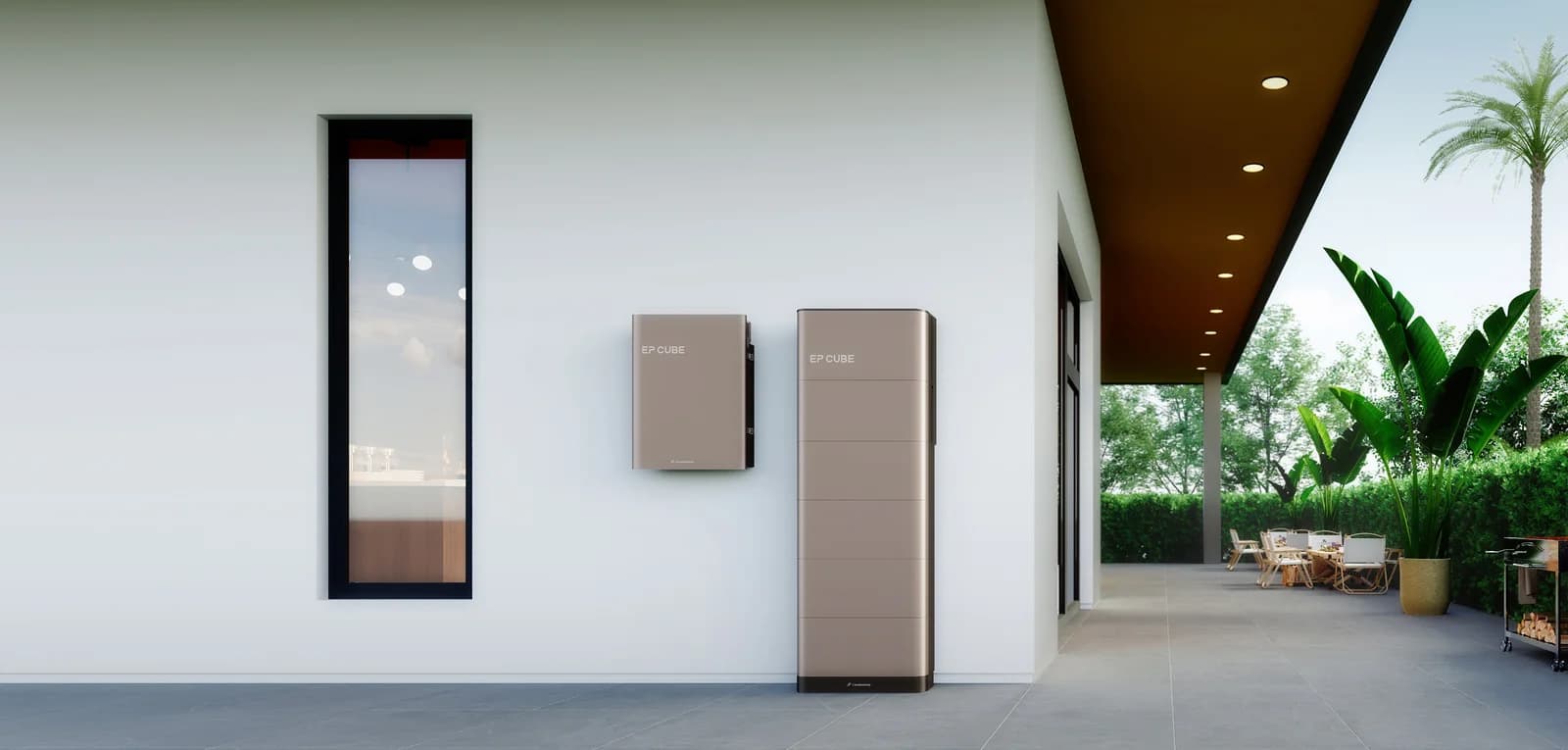
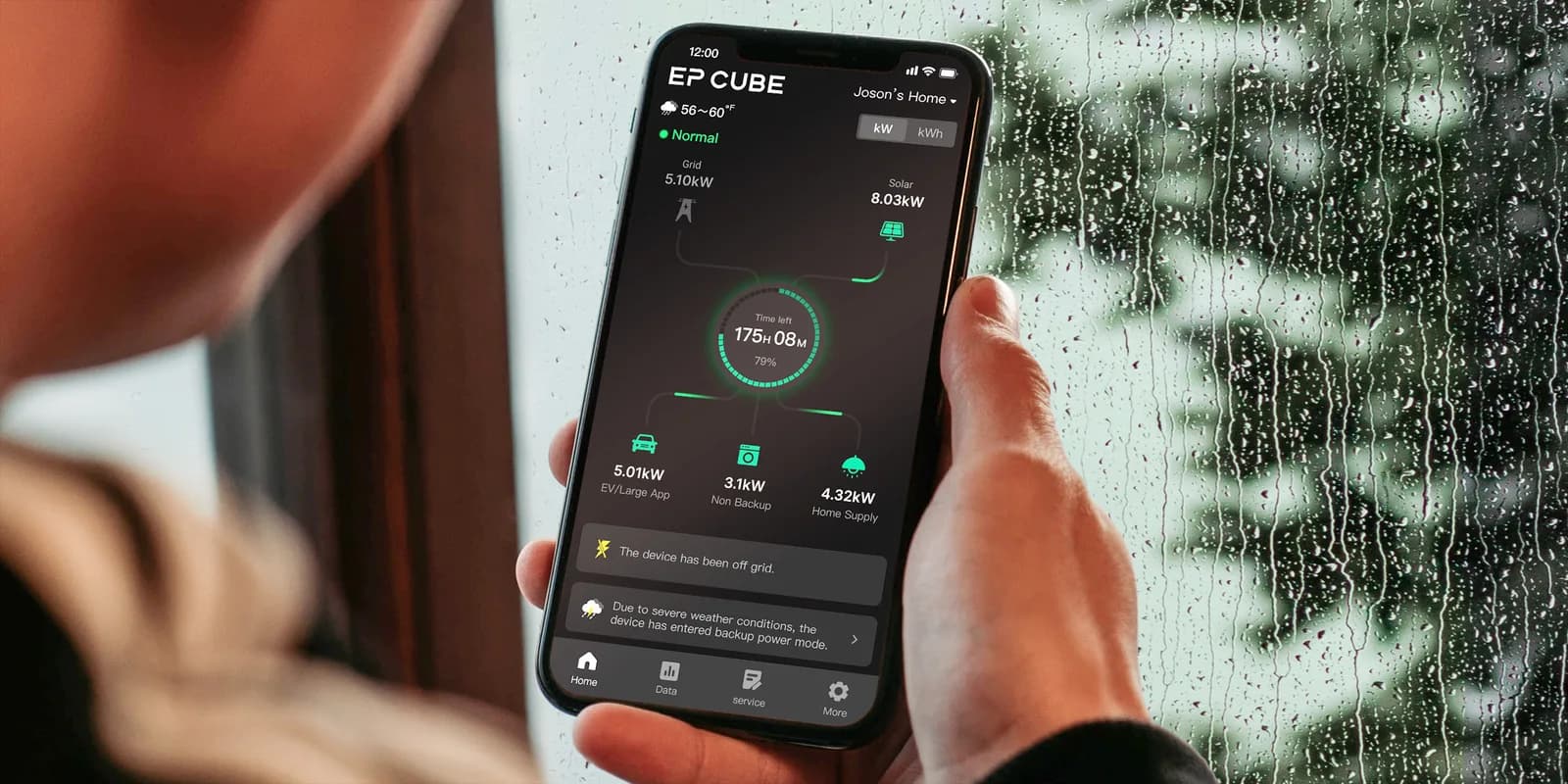

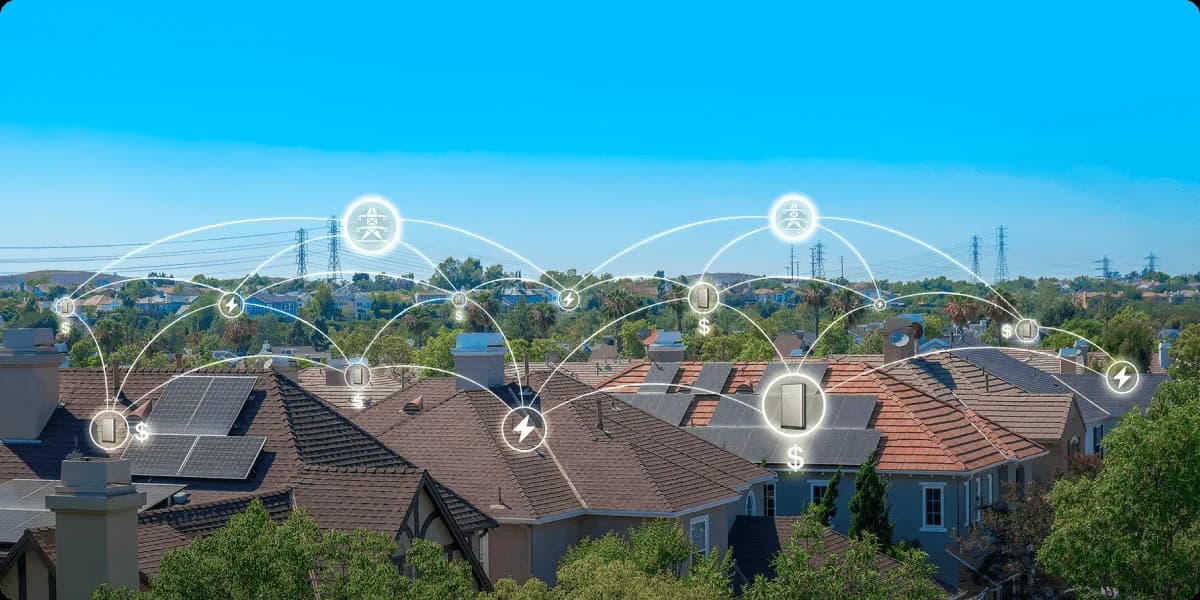
Images courtesy of EP Cube 2.0. Source linked under each image.
Strengths & Considerations
Strengths
- +Flexible modular sizing.
- +Canadian Solar association gives bankability angle.
- +Good comparison target for price-sensitive solar-plus-storage quotes.
Watch Out For
- −Thin installer and service footprint across much of the US relative to mainstream brands.
- −Shorter field-reliability history for the 2.0 hardware. Confirm which generation is actually being quoted.
- −Lower brand recognition and resale value, which can matter at home sale or warranty-claim time.
Quote Risks
The patterns that inflate EP Cube 2.0 quotes or hide costs until after signing. Check every one against your quote line by line.
- !Local installer depth matters more than headline capacity.
- !Confirm whether the quoted system is EP Cube 2.0 or older EP Cube hardware.
- !Verify code compliance, backup loads, and monitoring setup.
Before You Sign: Confirm These
These are EP Cube 2.0's own documented terms and open questions, not our test results. Get the specifics in writing before you sign anything.
- ?EP Cube is made by EternalPlanet, a Canadian Solar subsidiary, and the brand's US distribution arrangements have shifted over time. Get in writing which entity backs the warranty and who services the unit if your installer disappears.
- ?The US product page says 10 years of warranty, but the fine print matters. The original EP Cube warranty resolved to 80% capacity at 10 years or 6,000 cycles, whichever comes first. Ask for the 2.0-specific warranty document, including any throughput or cycle cap, before signing.
- ?Continuous output depends entirely on module count, from 3 kW at 5 kWh up to 11.5 kW at 15 to 20 kWh. A small-capacity quote will not start a well pump or large AC. Match the module count to your actual backup loads, not the brochure's top number.
- ?EP Cube 2.0 equipment is sold online by third-party distributors. Self-sourcing hardware usually voids installer workmanship coverage and complicates warranty claims, so buy through the installing contractor unless you fully accept that risk.
There is no strong local installer base or the quote cannot explain service responsibility.
Key Models
Support & Warranty
EP Cube's US product page lists a 10-year warranty for EP Cube 2.0, and SolarReviews documents the original EP Cube warranty as 80% capacity retention at 10 years or 6,000 cycles, whichever comes first. Support runs through the installer network, with a homeowner support portal and warranty page on epcube.com. We report these as published terms, not first-hand claims experience, so confirm the 2.0-specific warranty document and who countersigns it before contract.
10 years per EP Cube 2.0 US page; original EP Cube documented at 80% capacity at 10 years or 6,000 cycles
Warranty terms change by market and contract. Get coverage, throughput or cycle limits, and who actually services the system in writing before you sign.
Alternatives to Compare
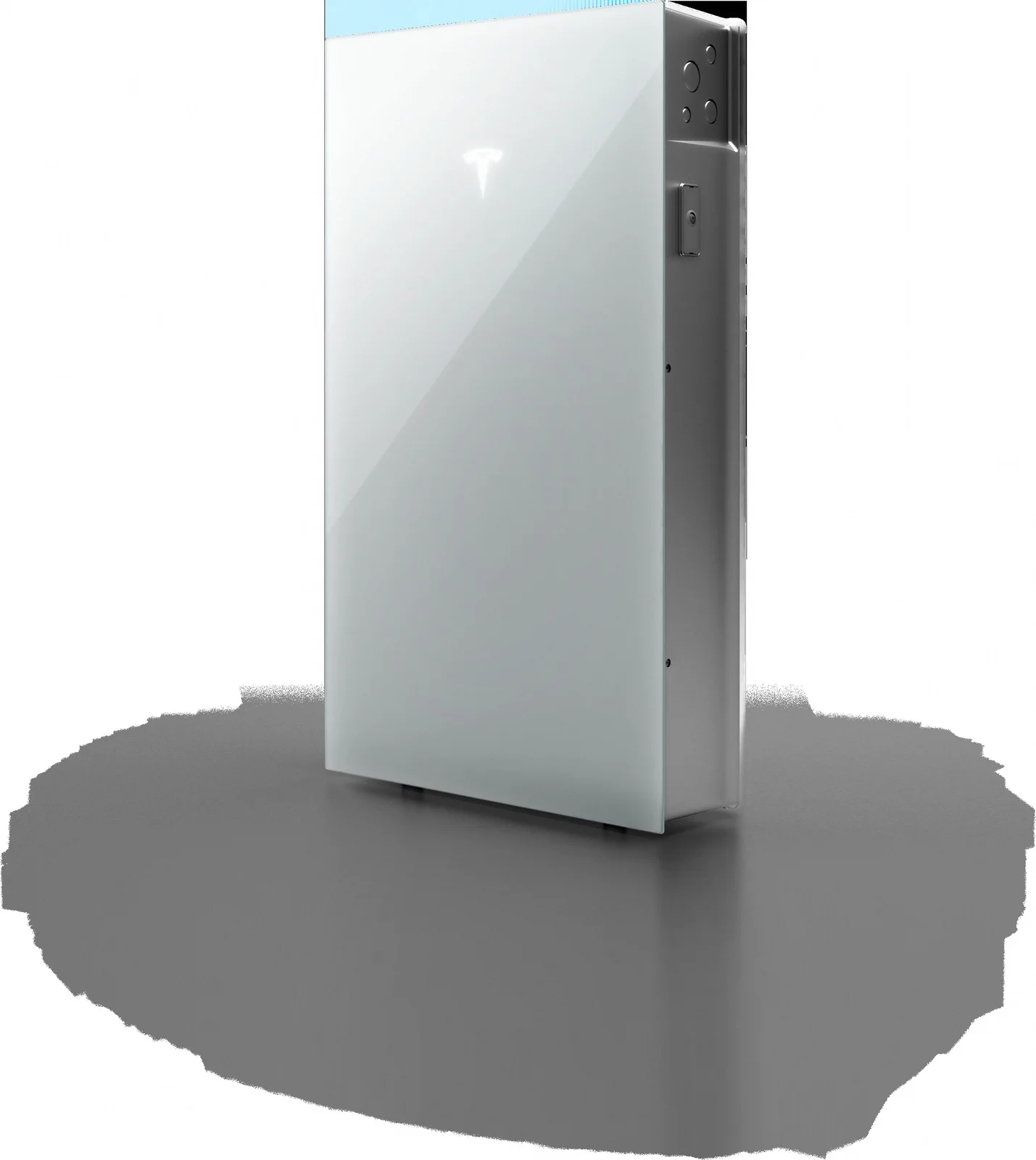
Tesla Powerwall 3
mid rangeThe quote every serious buyer should benchmark against, especially in California and Texas.
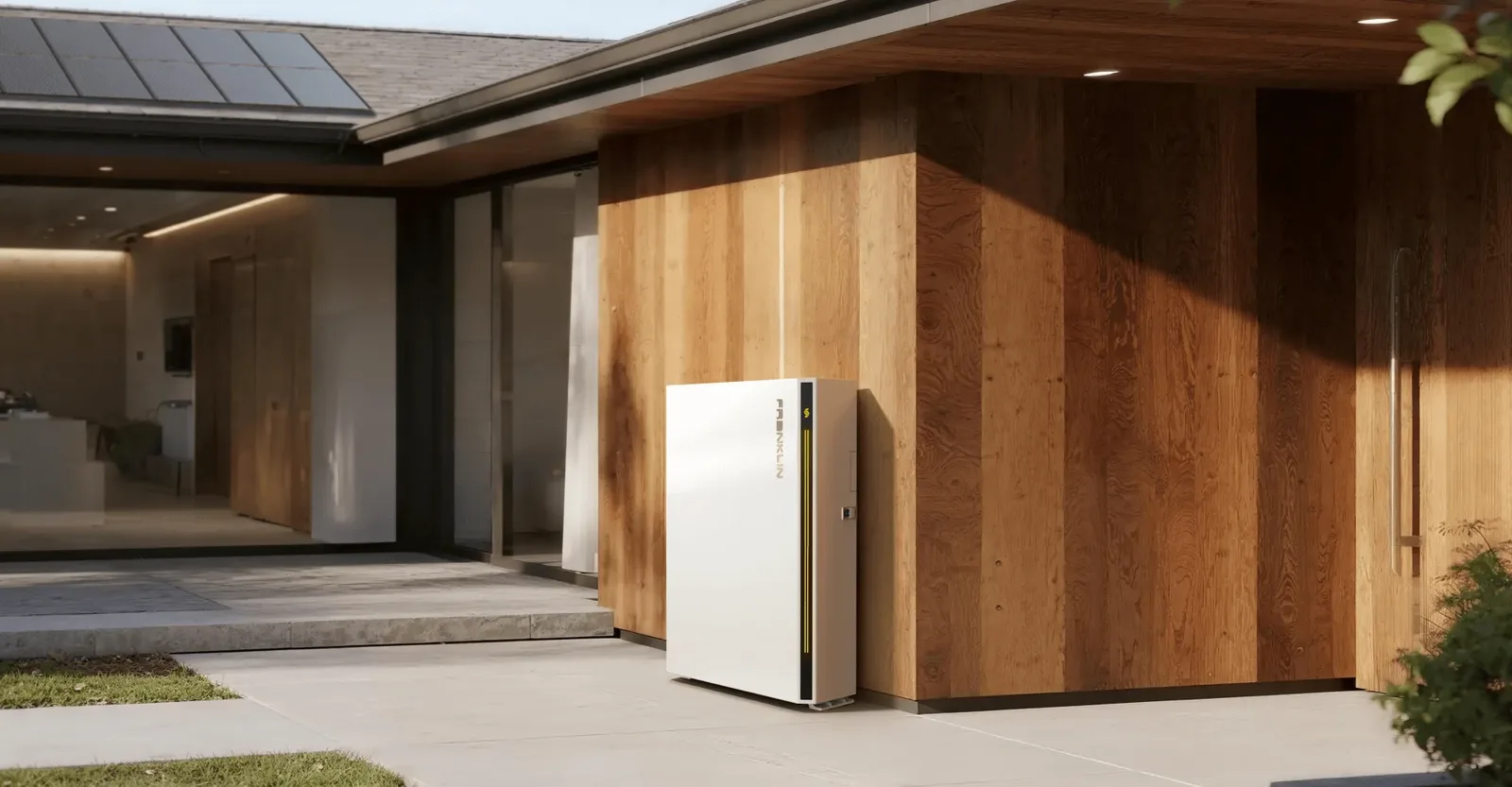
FranklinWH aPower 2
premiumA serious whole-home backup contender when single-unit capacity and high-load support matter.
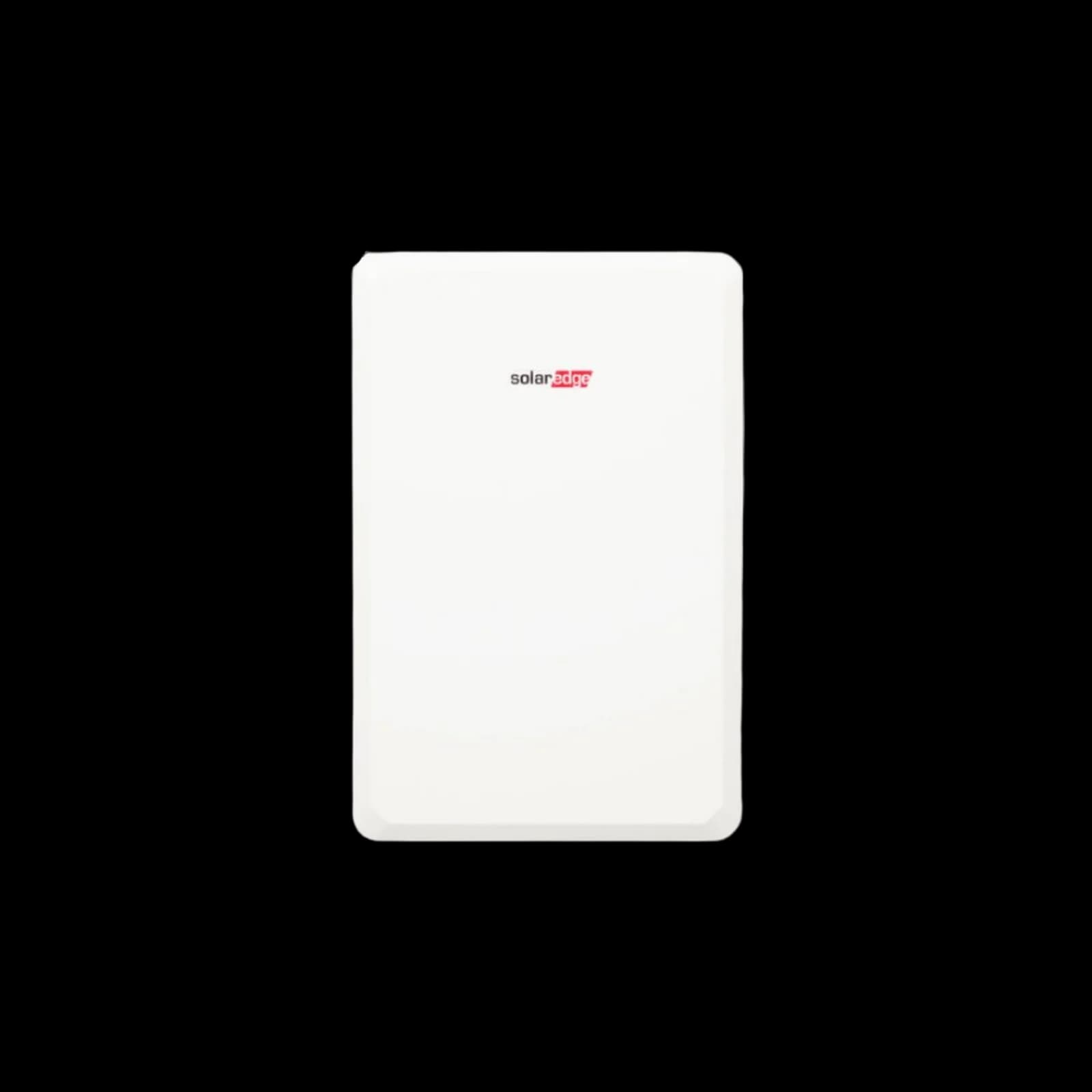
SolarEdge Home Battery
premiumA strong shortlist item when the home already sits in the SolarEdge inverter ecosystem.
Comparing a few brands?
Tell us your state, outage goal, and any quotes you have. We will tell you whether EP Cube 2.0 or one of these fits better, and check the numbers so you do not overpay.
FAQ
Is EP Cube 2.0 worth it in 2026?
EP Cube is not as searched as Tesla or Enphase, but it belongs in the directory because challenger brands often appear in quotes where buyers need reassurance. The content angle is simple: explain modular capacity, output, installer support, and whether the lower-friction pitch hides extra work.
How much does EP Cube 2.0 cost installed?
EP Cube 2.0 installs typically run From $14,200 based on solarreviews.com as of July 2026. EP Cube sells through an installer network, so there is no public sticker price and every number depends on your quote. The one citable installed figure is SolarReviews' estimate of about $14,200 total installed for a 16.6 kWh original EP Cube system, roughly $855 per kWh installed, with equipment alone around $690 per kWh. That estimate covers the original EP Cube, not the 2.0 hardware, and we found no citable installed range for EP Cube 2.0 yet, so we leave the top end null rather than guess. For context, one third-party equipment seller lists a 2.0 package (15 kWh battery plus the 11.5 kW hybrid inverter, 14.9 kWh usable) at $18,600 before any installation, which tells you channel pricing varies a lot. Treat any EP Cube 2.0 quote as negotiable and compute your own per-kWh figure from the line items. If the quote lands well above $1,000 per usable kWh installed, ask why, because that is Powerwall territory without Powerwall's service network.
Who is EP Cube 2.0 best for?
Buyers comparing modular all-in-one systems for new solar or retrofit projects.
What should buyers watch out for in a EP Cube 2.0 quote?
EP Cube is made by EternalPlanet, a Canadian Solar subsidiary, and the brand's US distribution arrangements have shifted over time. Get in writing which entity backs the warranty and who services the unit if your installer disappears.
What brands should you compare against EP Cube 2.0?
Most buyers should compare EP Cube 2.0 with Tesla Powerwall 3, FranklinWH aPower 2 and SolarEdge Home Battery before signing anything. That gives you a real read on installed price per usable kWh, backup design, and installer depth.
How strong is EP Cube 2.0 on warranty and support?
EP Cube's US product page lists a 10-year warranty for EP Cube 2.0, and SolarReviews documents the original EP Cube warranty as 80% capacity retention at 10 years or 6,000 cycles, whichever comes first. Support runs through the installer network, with a homeowner support portal and warranty page on epcube.com. We report these as published terms, not first-hand claims experience, so confirm the 2.0-specific warranty document and who countersigns it before contract.
Sources (8) · Verified Jul 12, 2026
Research quality score 90/100, from official product pages, datasheets, and support documents.
Methodology
Brand verdicts are based on buyer fit, usable capacity, output, installer depth, support path, price pressure, and the risks that tend to show up after installation. A strong reply from a manufacturer can improve factual clarity, but it does not improve placement.
Specs come from official datasheets, product pages, and support documents, with the verified date shown next to the sources. Any price we publish carries its source and an as-of date. Quote risks are grounded in the quotes buyers send us for review and the patterns that repeat in them.
If support coverage, warranty language, or dealer access are thin, we would rather say that plainly than hide it behind marketing copy.
Learn More
Getting a EP Cube 2.0 quote?
Send it to us before you sign. We check the installed price per usable kWh, flag missing gateway hardware and panel work, and tell you what to push back on. Free, no sales pitch.
Free. No sales pitch. Personal reply in ~2 business days.
Still researching? Send me the guide