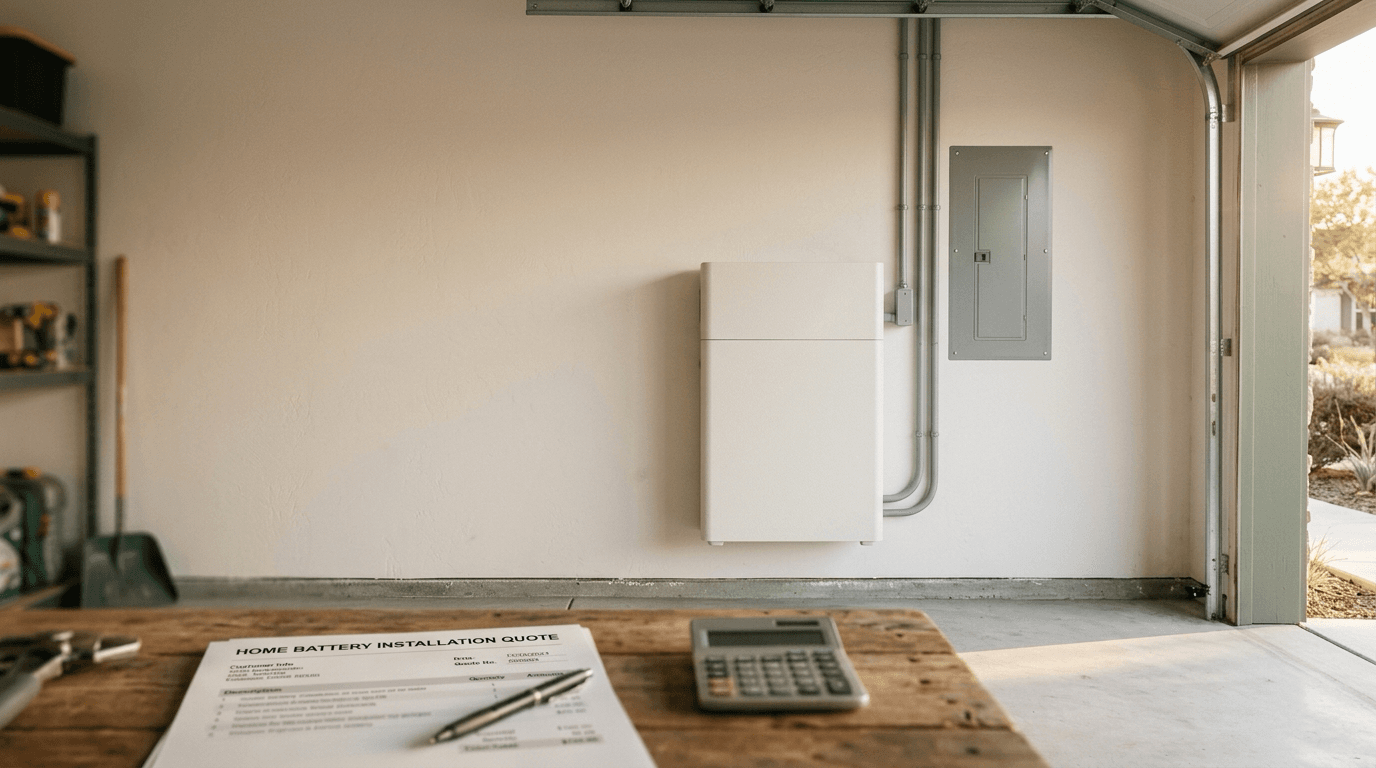
We don't sell batteries.
We save you from the wrong quote.
The honest guide to getting a home battery. What it actually costs, what actually matters, and what every quote leaves unclear.
Still sorting out the battery numbers?
Real installed costs, incentive caveats, and quote red flags. One short guide, no spam.
Already got a quote? Get a free read on it
Start here
Four useful paths. Pick the question you have now.
Sound familiar?
You've had three battery quotes open for two weeks.
You started with a simple question: “Should I add a battery to my solar quote?” Now you're comparing usable kWh, backup gateways, panel upgrades, tax credit claims, and utility programs that all seem to say different things.
Here's the thing. Most battery advice is written by companies that sell batteries or collect installer leads. Their savings math looks clean until you ask what is included, who gets the incentive, and which loads are actually backed up.
The same battery can land ten thousand dollars apart. Not because the hardware changed. Because the quote hides the expensive parts.
The hidden panel work
A quote can look fair until the installer adds a main panel upgrade, backup subpanel, gateway hardware, and permit work after the headline price.
The stale incentive
A 2026 quote that still says 30 percent federal credit without a current source needs to be challenged before you sign.
The wrong backup promise
Whole-home backup sounds simple. The real question is which loads run, for how long, and whether the battery has enough power for them.
Close the other tabs
Everything you need, before you sign.
We spent the hours so you don't have to. Read any of it free, or send the quote and we'll apply it to your actual numbers.
What it actually costs
Installed price, usable kWh, gateway hardware, permits, panel work, labor, and the line items that explain quote spread.
Read the guide →How to read the quote
Battery count, backup design, incentives, financing, warranty, VPP assumptions, and the exact questions to send back to the installer.
Read the guide →Which brand fits your house
Powerwall, Enphase, FranklinWH, Generac, SolarEdge, Panasonic, and portable backup options compared by buyer fit, not brochure claims.
Read the guide →Still sorting out the battery numbers?
Real installed costs, incentive caveats, and quote red flags. One short guide, no spam.
Already got a quote? Get a free read on it
Why listen to us? We don't have a battery to sell you.
No lead auction
We do not sell your quote to the highest bidder. The first product is a clearer decision, not another installer call.
Dated sources
Tax credits, SGIP, ConnectedSolutions, CT ESS, and VPP claims change. We cite sources and say when a claim needs verification.
Quote-first data
The moat is real quote benchmarks by state, brand, installer issue, and backup scope. That starts with the quote checker.
From real buyer patterns
“One quote says one Powerwall is enough. Another says two. Neither explains the backup loads.”
“The installer showed savings after incentives, but never said who actually receives the credit.”
Sound familiar? That's exactly why we made this.
“The battery is half the quote.”
Home Battery Guide rule
The best battery is the one that fits your loads, your rates, and your quote.
We'll help you see the difference.
When you're ready to compare
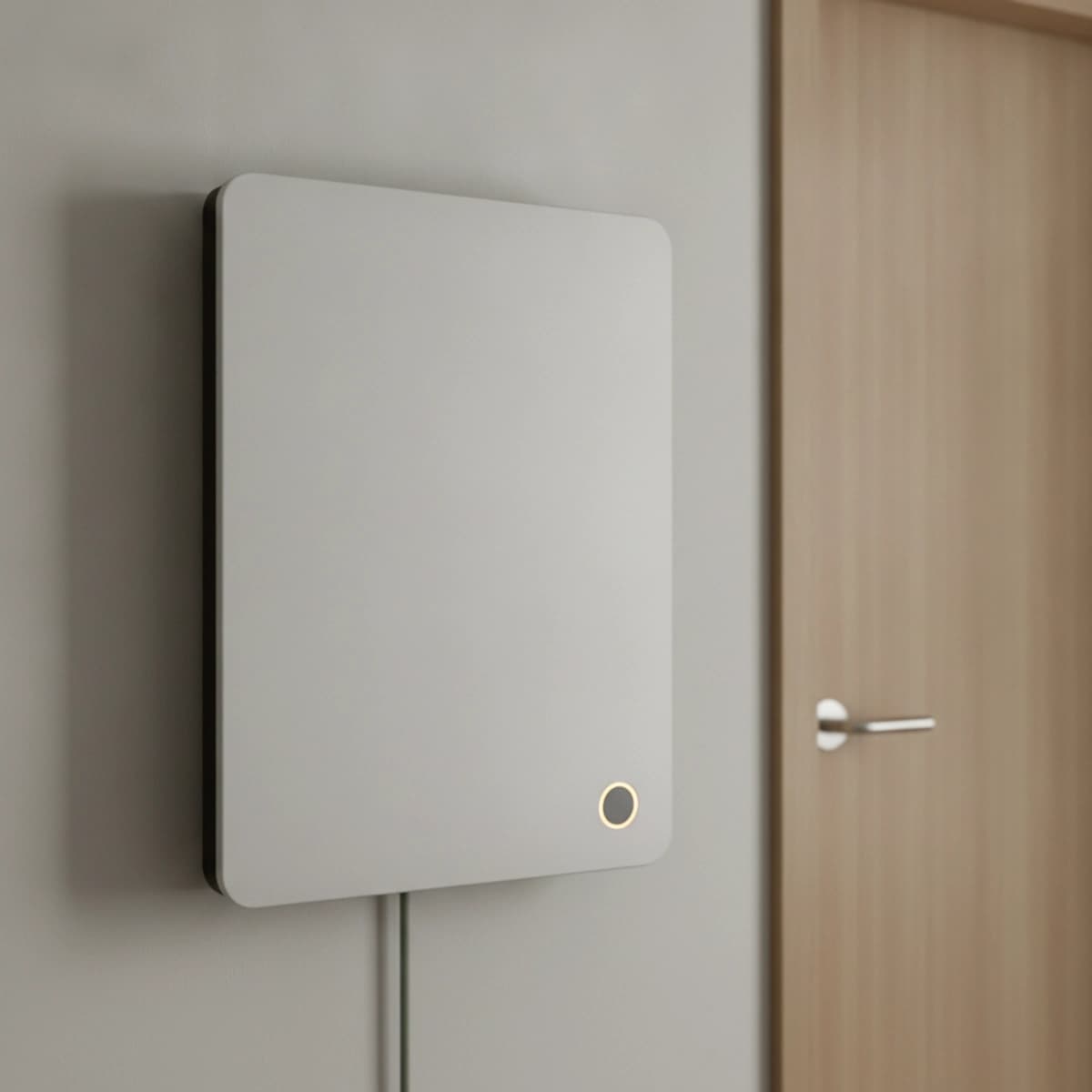
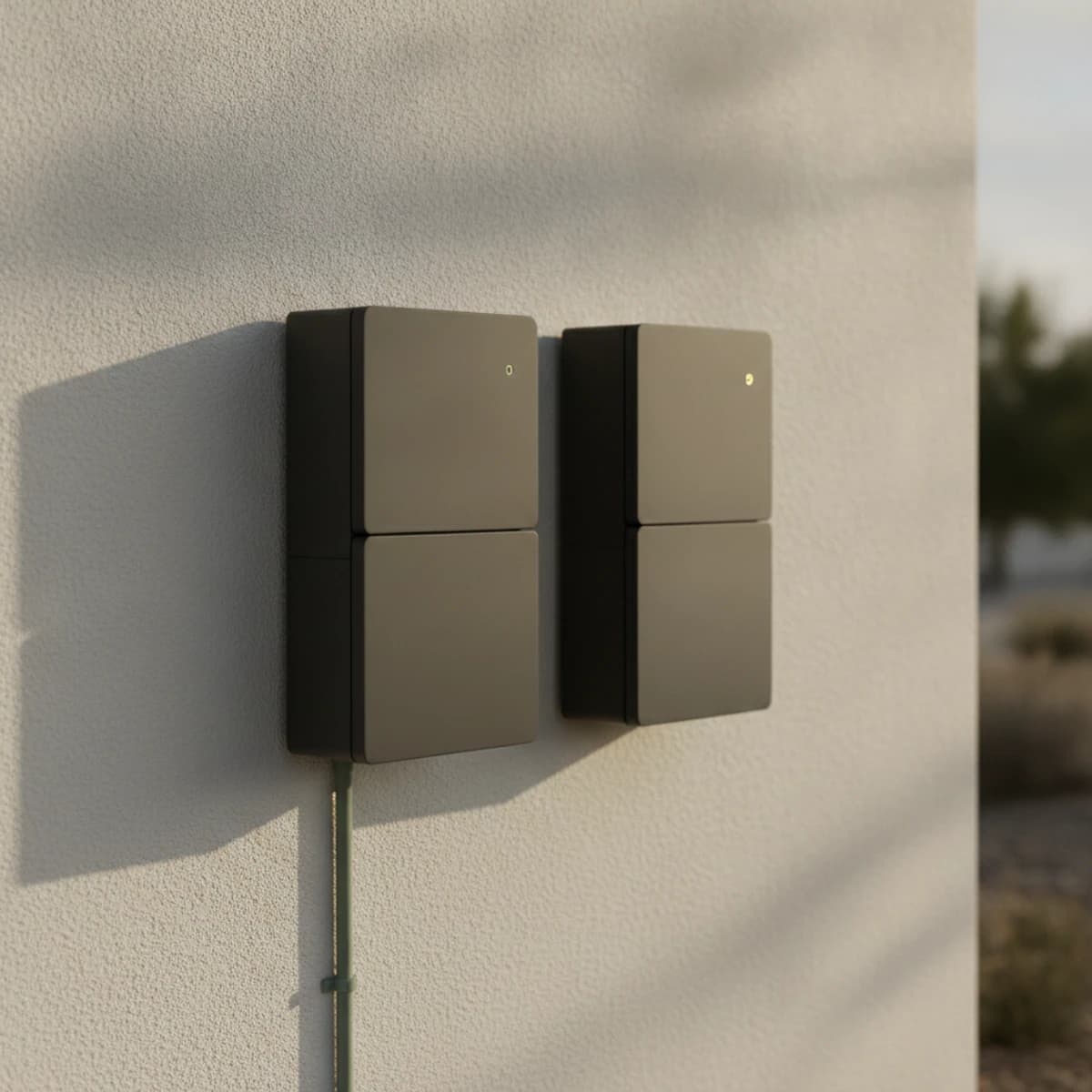
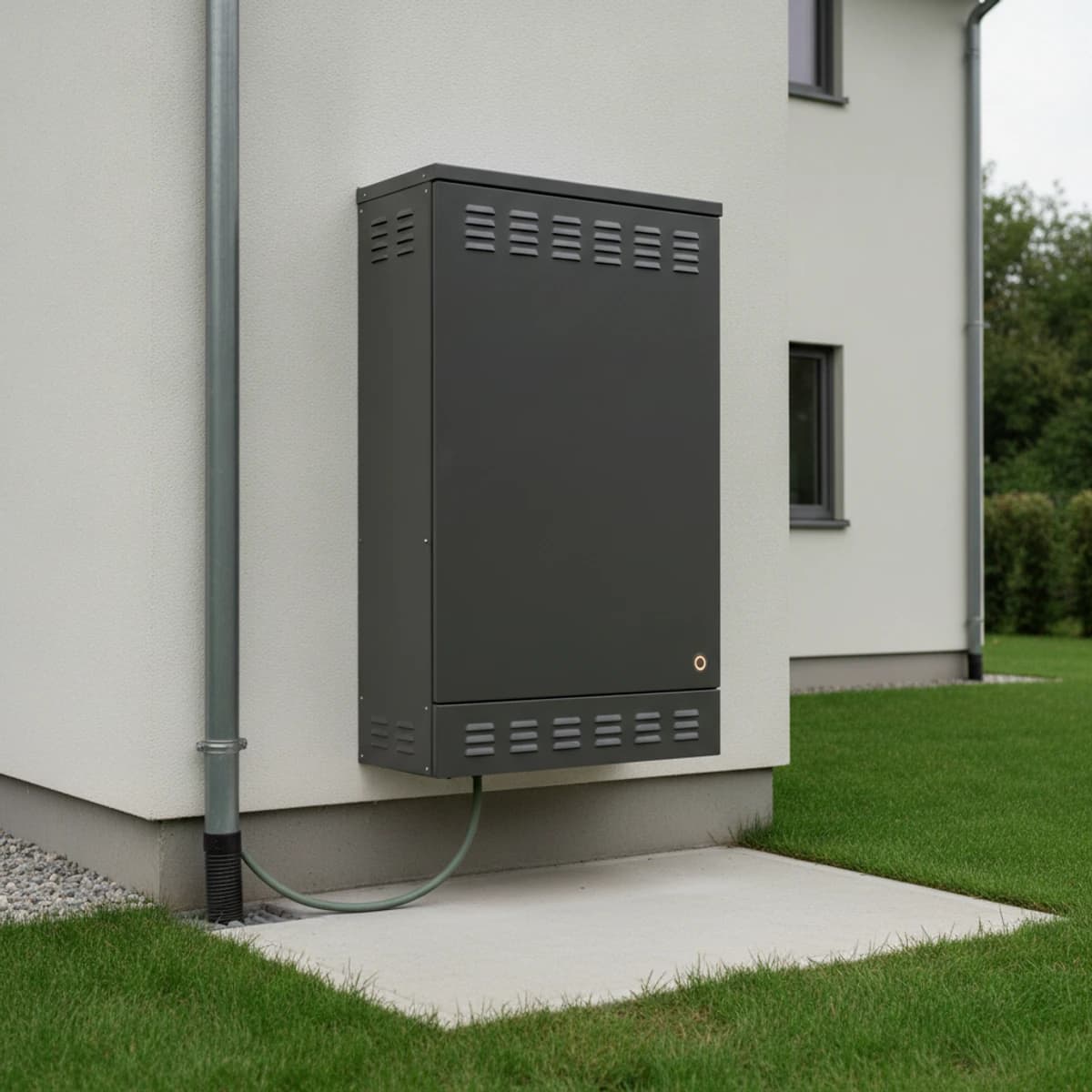
The brands worth your shortlist.
We researched the installed-storage brands most likely to appear in real quotes. Start here, then check the quote.

Before you sign
Home battery questions, answered straight.
- How much does a home battery cost installed in 2026?
- A single whole-home battery typically runs about $12,000 to $20,000 installed before incentives, and $25,000 to $40,000 or more for a two-battery whole-home backup system. Most of that spread is not the battery. It is the gateway hardware, panel upgrades, and backup-load design, which is why two quotes for the same battery can land thousands of dollars apart.
- Is the federal tax credit still 30% for home batteries?
- The residential clean energy credit has covered 30% of a qualifying battery of 3 kWh or larger, but the value and timeline have been the subject of active legislative debate. Confirm the current percentage and in-service deadline with the IRS guidance for the tax year you will claim it, before you count it in a quote.
- Do I still need a battery if I already have solar?
- Under California NEM 3.0 and similar net-billing rules, exported solar is now worth far less than it used to be, so the value has shifted to using your own production in the evening. That is the battery’s job. Whether it pays off depends on your rate plan, your evening load, and your outage risk, not on the panels alone.
- What is the difference between usable and nominal battery capacity?
- Nominal capacity is the total energy in the cells. Usable capacity is what you can actually draw after the reserve the system holds back. Always compare quotes on usable kWh and continuous power output, not the larger nominal number on the brochure.
- How big a battery do I need for backup?
- It depends on which loads you want to run and for how long, not on your home’s square footage. A single ~13 kWh battery can cover essentials like the fridge, lights, internet, and a few outlets for a day or more. Whole-home backup with air conditioning or electric heat usually needs two or more units and enough continuous power for the startup surge.
- What should I watch for in a home battery quote?
- The biggest risks are missing gateway or transfer equipment, unclear panel work, unrealistic VPP savings, undersized backup loads, and comparing nominal capacity instead of usable energy. A fair quote separates hardware from labor and design and states its incentive assumptions with dates.